Nandini Iyer’s Salangai Pooja

Stories Behind
the Dance

Every gesture carries a story.

A companion to today’s performance—created to help you recognize the stories, symbols, and emotions unfolding on stage.

Explore the performances
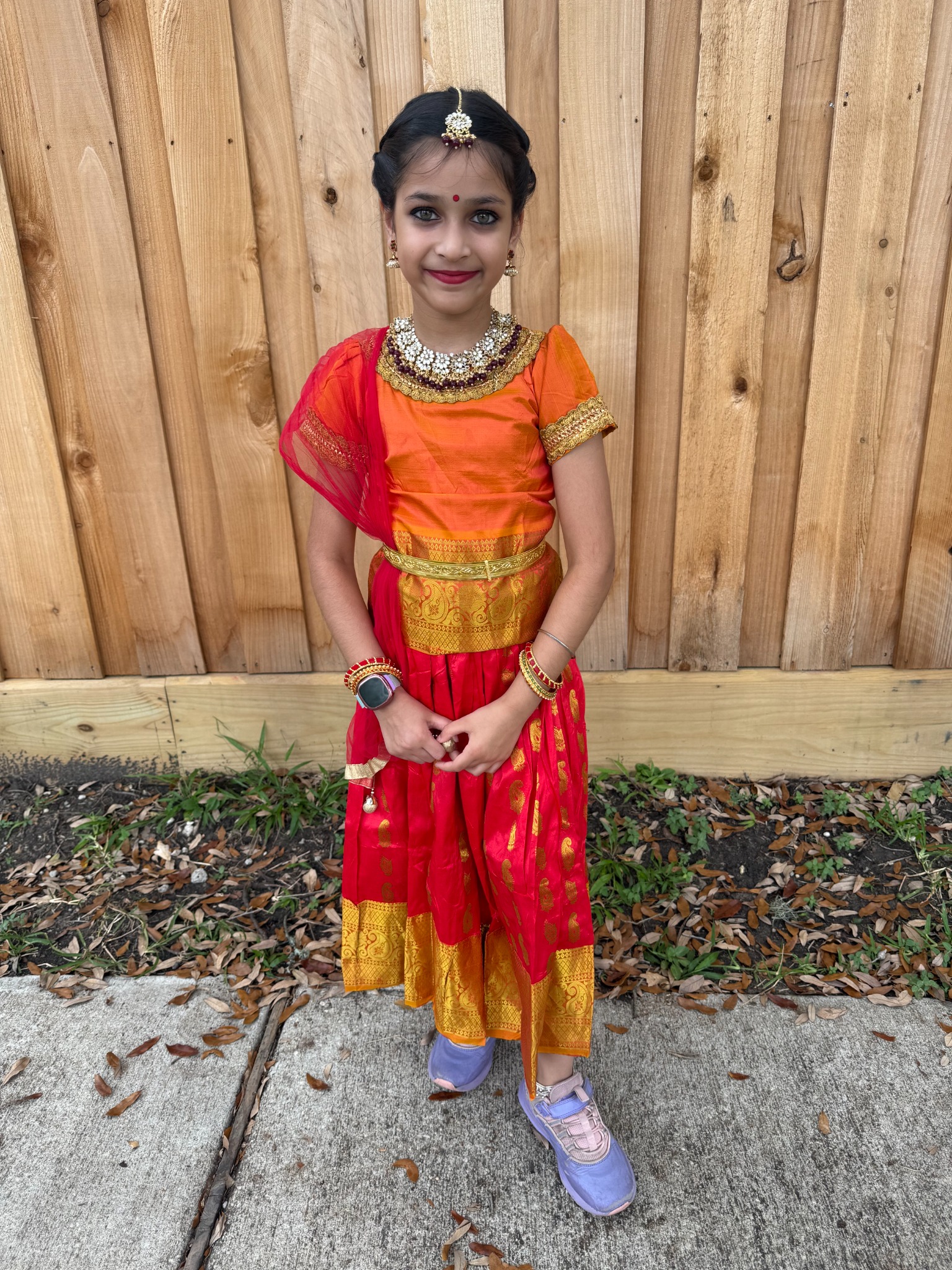
Nandini Iyer dressed for Bharatanatyam
Nandini Iyer

Today’s journey

Nine moments of rhythm, devotion, and storytelling

Bharatanatyam speaks through movement, music, expression, and hand gestures called mudras. Open each story before or after its performance and discover what to watch for on stage.

Read the complete legends behind the dances
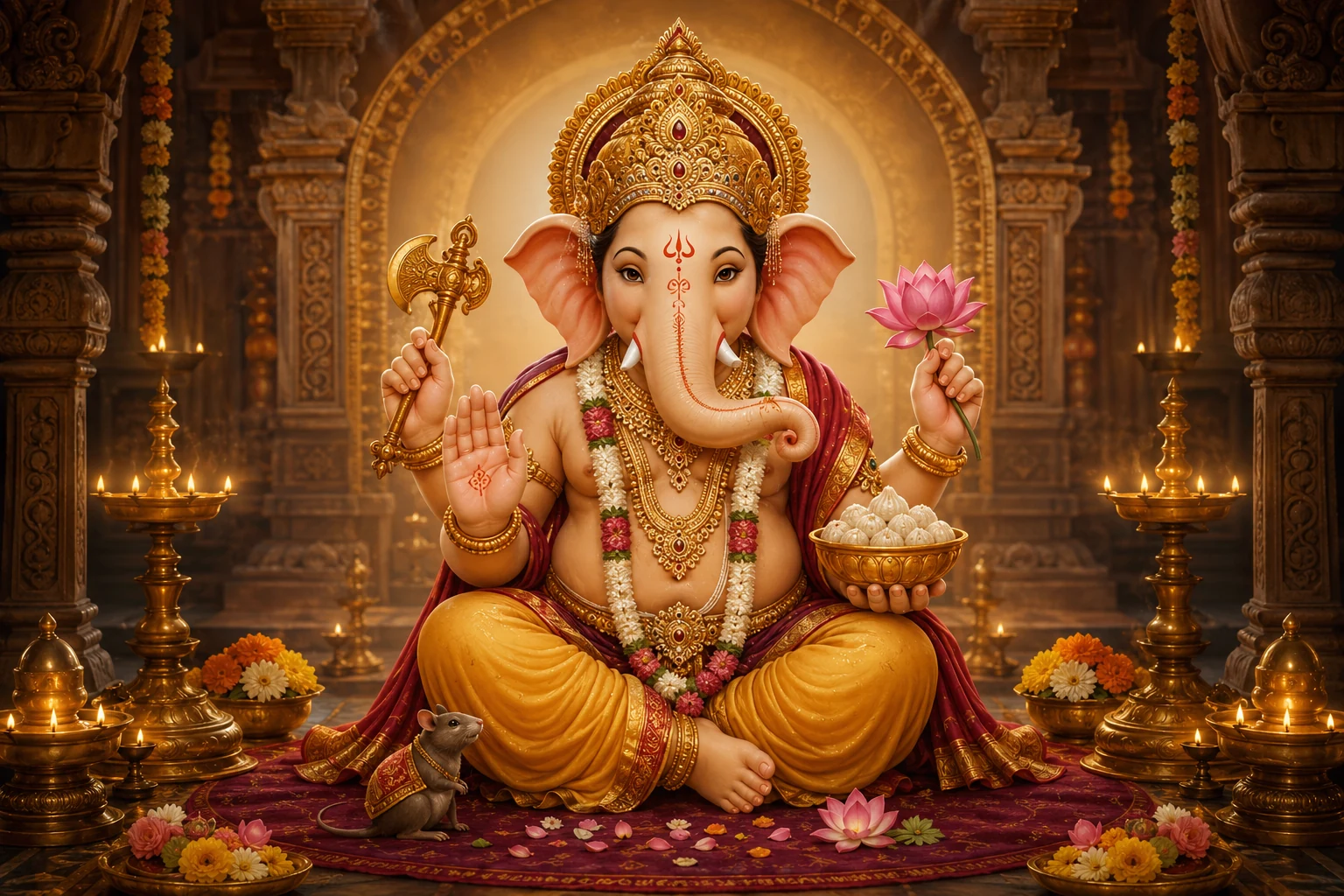
Lord Ganesha seated in blessing amid flowers and traditional brass lamps01

An offering of flowers

Pushpanjali

The program opens with a gesture of welcome—to the divine, the guru, the musicians, and everyone gathered in the audience.

Read the story

Pushpanjali means an offering of flowers. Through graceful steps and cupped hands, the dancer symbolically places flowers at the feet of the divine and asks for blessings before beginning. Set in Arabhi and honoring Ganesha, remover of obstacles, this piece prepares the stage and the heart for all that follows.

What to noticeLook for the flower-offering gesture and the joyful, reverent welcome.
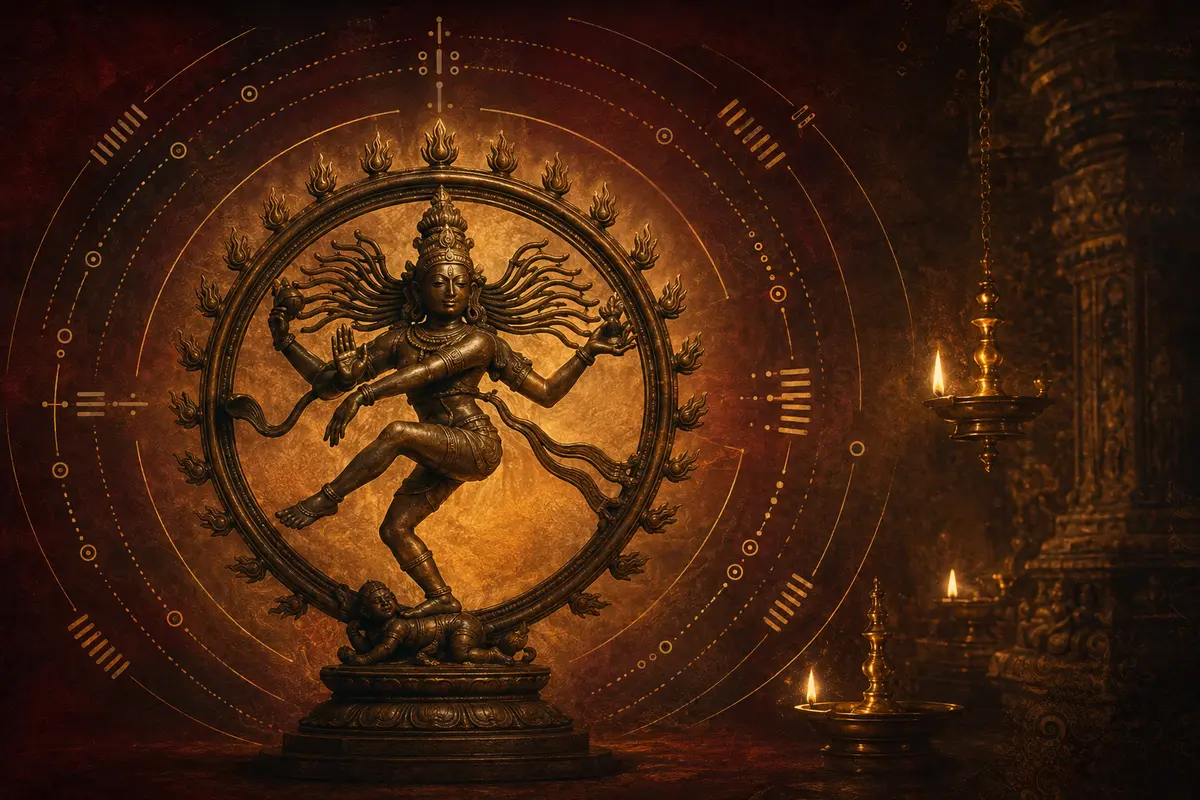
Nataraja surrounded by rhythmic arcs in warm temple light02

The body awakens to rhythm

Alarippu

Like a flower slowly opening, the dancer awakens the eyes, neck, shoulders, arms, and feet—one movement at a time.

Read the story

The word Alarippu suggests blossoming. This pure-dance piece begins with small, precise movements and gradually expands into the whole body. Dedicated here to Nataraja, Shiva as Lord of Dance, it is both a disciplined rhythmic invocation and a reminder that creation itself moves to a cosmic beat.

What to noticeWatch how isolated movements gradually join into complete rhythmic patterns.

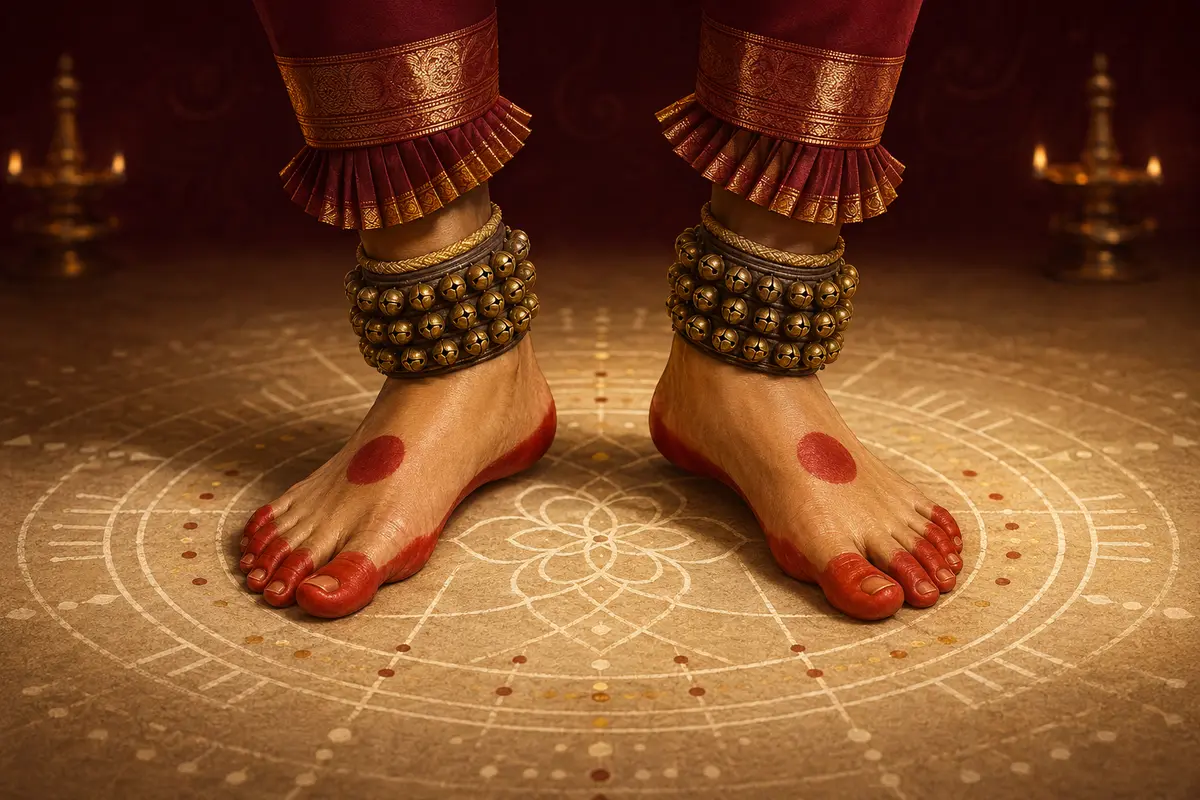
Bharatanatyam footwork and ankle bells forming geometric patterns03

Melody drawn in movement

Jatiswaram

Rhythm and melody take center stage as intricate steps travel across the floor in precise geometric patterns.

Read the story

Jatiswaram is nritta—pure dance without a narrative. Jatis, or rhythmic sequences, meet swaras, the notes of the melody. The dancer turns music into visible form through footwork, sculptural poses, lines, and balance. Its beauty lies in control, symmetry, stamina, and the effortless conversation between dancer and musicians.

What to noticeListen for the dialogue between the salangai ankle bells and the percussion.

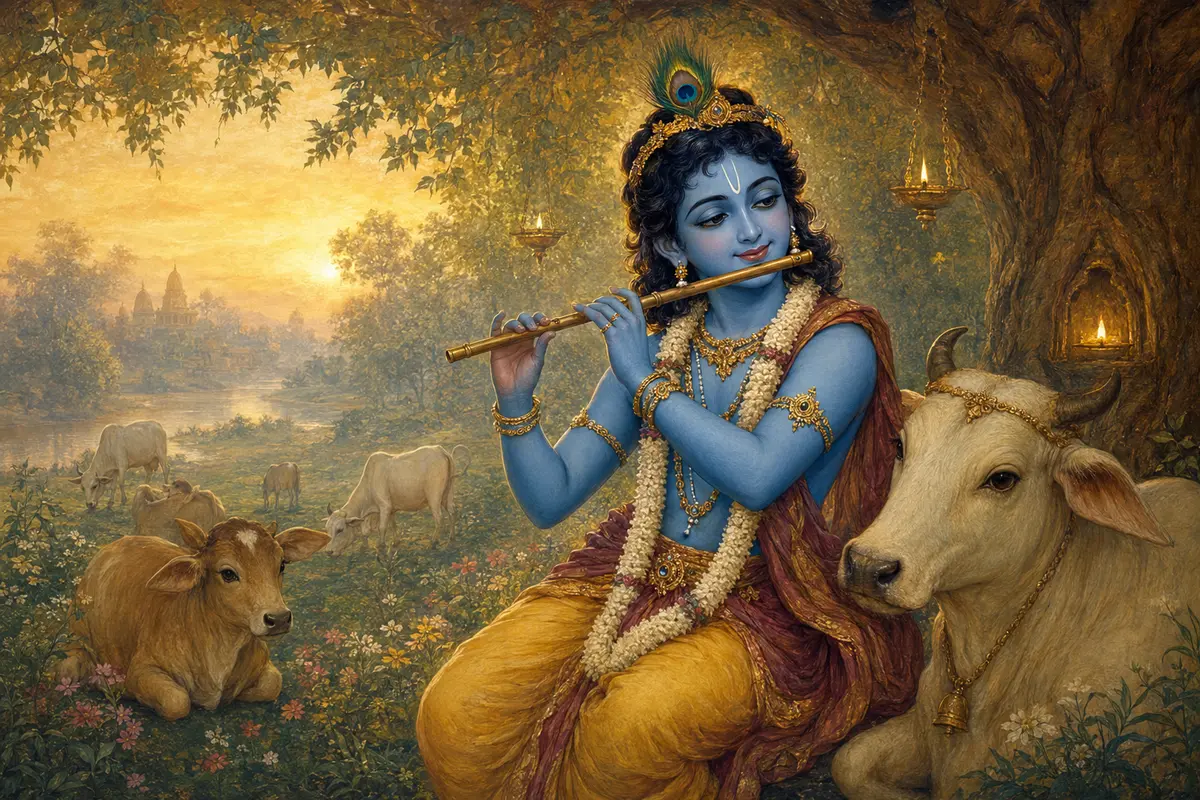
Young Krishna playing the flute among cows in Vrindavan04

Krishna, the beloved cowherd

Aayar Sheiyar

The playful world of young Krishna comes alive through affection, mischief, music, and the wonder he inspires in those around him.

Read the story

Krishna grows up among the aayars, the cowherd community of Gokulam. He tends the cows, enchants the village with his flute, steals butter, and wins every heart with his mischief. Yet behind the playful child is the divine protector. The dancer moves between characters, revealing how ordinary village life becomes touched by the sacred.

What to noticeNotice the shifts in expression as the dancer becomes Krishna and those enchanted by him.

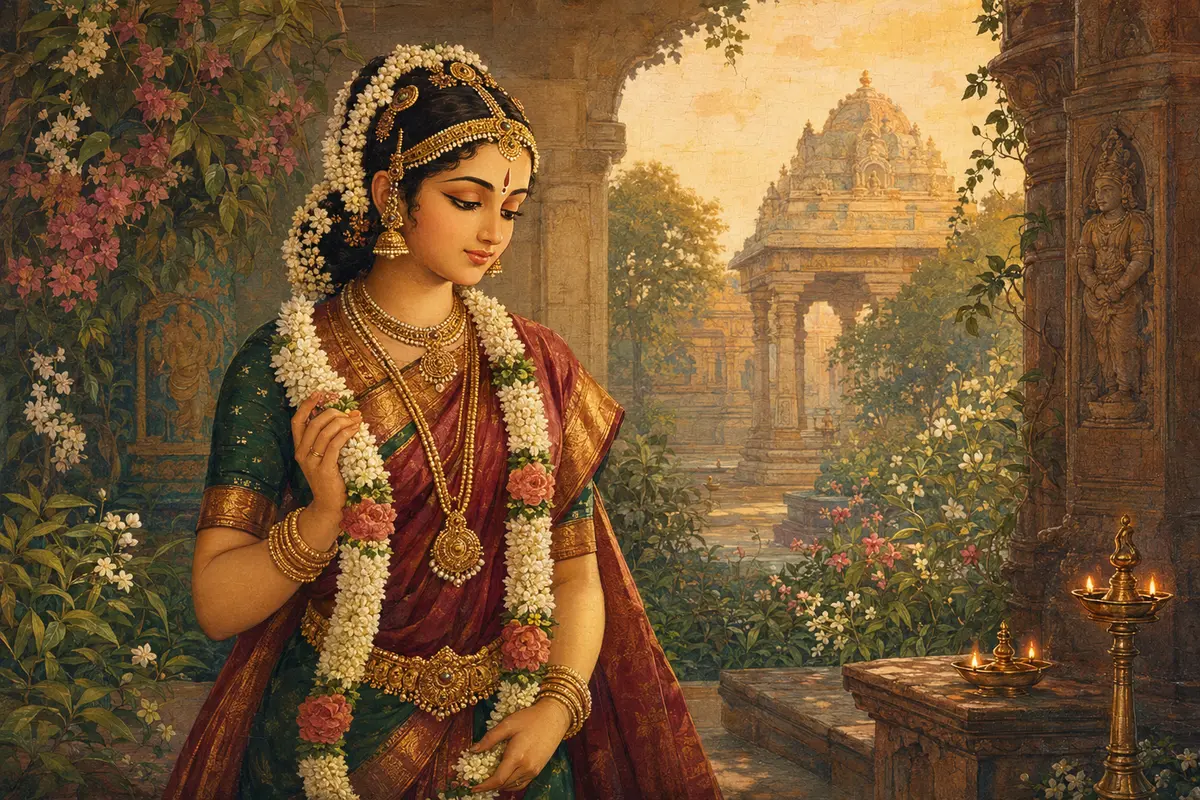
Andal wearing flower garlands in a temple garden05

A poet’s devotion

Andal Thiruppavai

Andal’s poetry imagines a group of young women awakening one another at dawn to seek Krishna together.

Read the story

Andal, the only woman among the twelve Alvar poet-saints, expressed her love for Vishnu through exquisite Tamil verse. In the thirty hymns of the Thiruppavai, she becomes a young cowherd girl calling her companions to rise, bathe, sing, and undertake a sacred vow. Her longing is both deeply personal and universal: the soul’s yearning to unite with the divine.

What to noticeListen for the feeling of friends calling one another toward a shared spiritual journey.

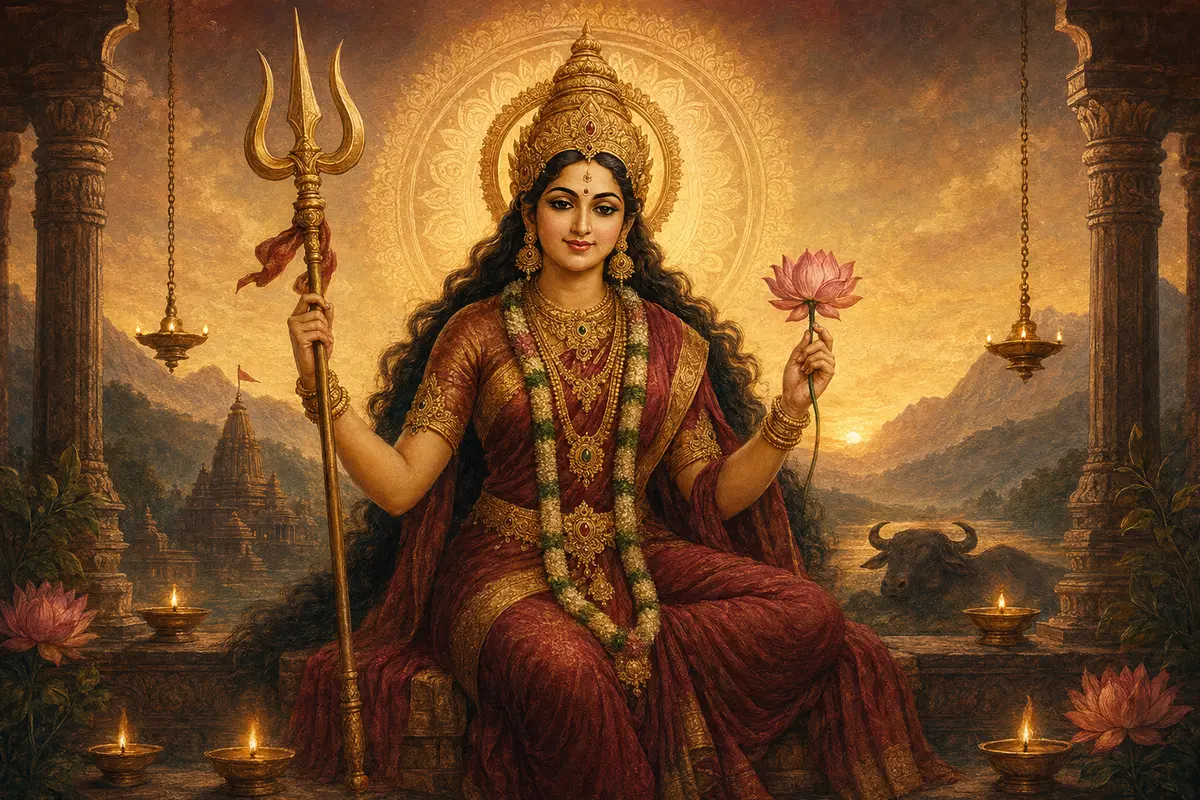
Goddess Durga holding a lotus and trident in radiant temple light06

Divine strength and protection

Pahimam

The dancer invokes Rajarajeshwari—Durga as the compassionate mother and the fearless power that restores balance.

Read the story

When the shape-shifting Mahishasura could not be defeated by any man, the gods combined their divine energies to manifest Durga. Armed with their gifts, she fought for nine days and overcame the demon, a victory celebrated as the triumph of dharma over arrogance and disorder. Pahimam—‘protect me’—praises that same Goddess as both tender mother and invincible guardian.

What to noticeSee how compassion and courage coexist in the dancer’s expressions and strong poses.

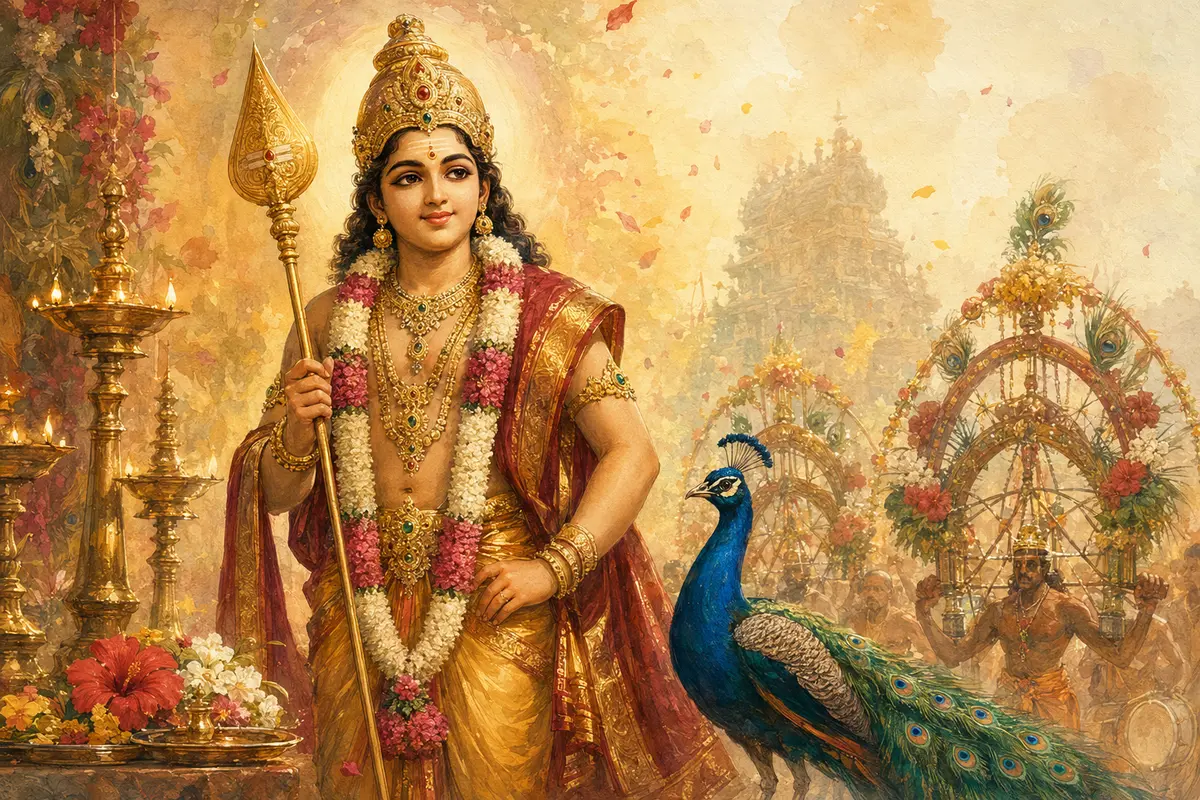
Lord Muruga with his vel and peacock amid festival light07

A joyous offering to Muruga

Kavadi Sindhu

Folk-inflected melody and buoyant rhythm celebrate Muruga, the youthful deity of courage, wisdom, and radiant energy.

Read the story

Devotees of Muruga may carry a kavadi—a decorated offering—during pilgrimage as an act of gratitude, prayer, or devotion. Kavadi Sindhu songs capture the movement and communal joy of that journey. Muruga’s vel, or spear, represents the wisdom that pierces ignorance, while his peacock symbolizes the transformation of pride into beauty and service.

What to noticeFeel the lift and festive energy that suggest a devotional procession.

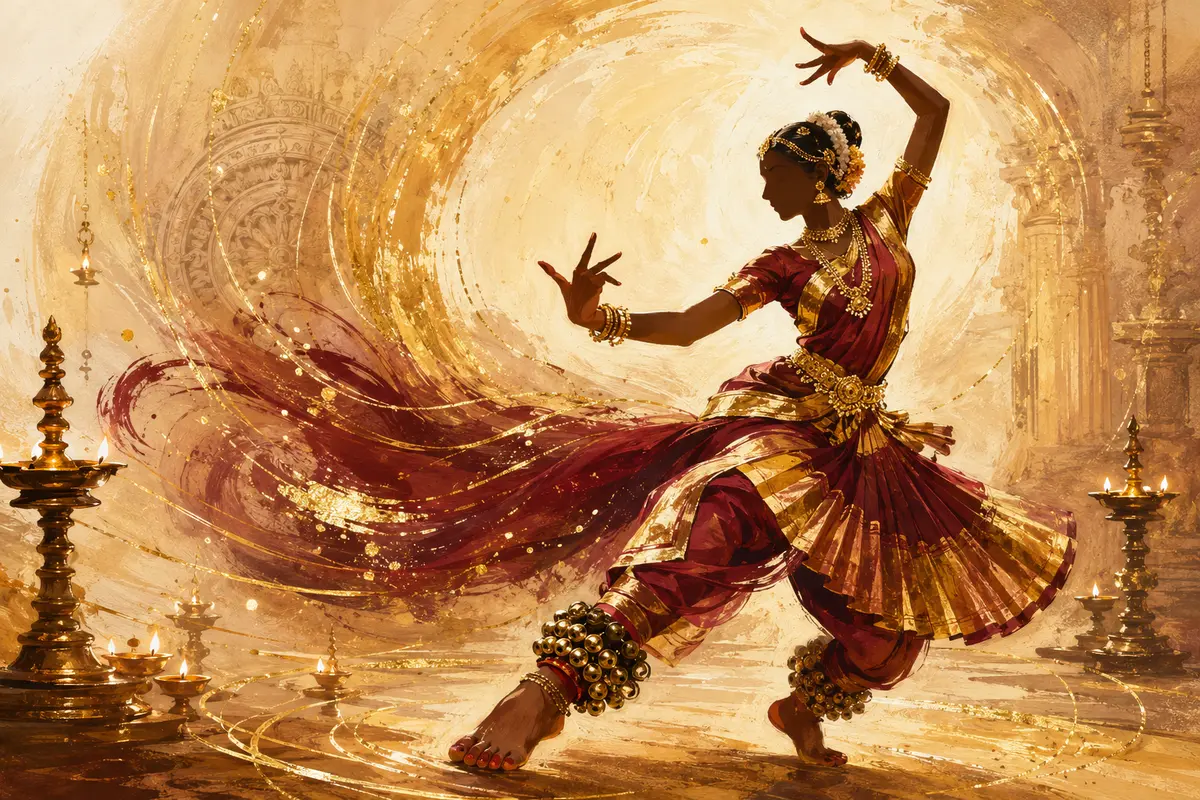
Expressive Bharatanatyam mudras, silk, and ankle bells in motion08

A sparkling rhythmic finale

Brindavana Saranga Thillana

Fast footwork, sculptural poses, and intricate rhythmic phrases bring the program toward an exuberant conclusion.

Read the story

The Thillana is traditionally one of the culminating pieces in a Bharatanatyam recital. Its rhythmic syllables invite speed, precision, and joy, while brief lyrical passages offer a final touch of devotion. In the luminous raga Brindavana Saranga, the dance feels expansive and celebratory—a meeting of discipline, musicality, and delight.

What to noticeWatch for crisp endings, changing formations, and the dancer’s joyful command of rhythm.

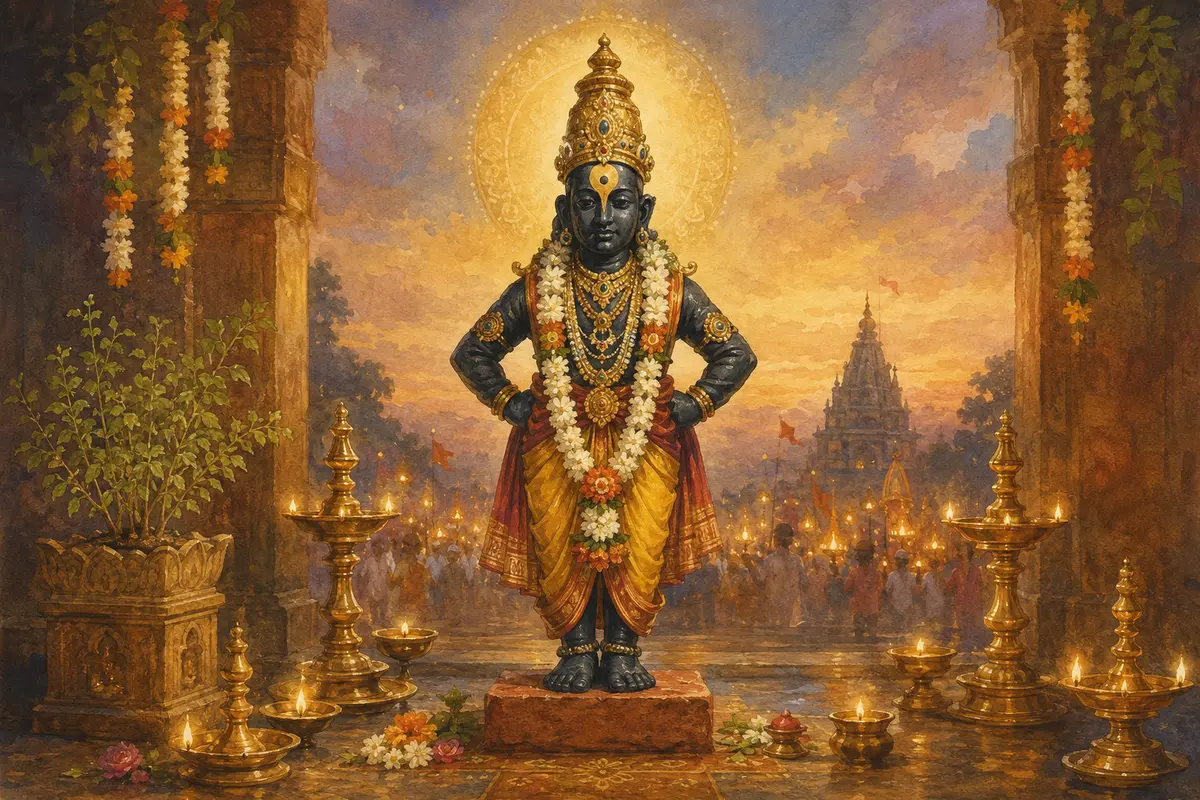
Lord Vitthala standing on a brick amid lamps and devotees09

Devotion made simple

Vitthala

The program closes in remembrance of Vitthala, the beloved form of Krishna who waits patiently for his devotee.

Read the story

In a cherished tradition, Krishna came to visit his devotee Pundalik. Busy caring for his parents, Pundalik offered the Lord a brick and asked him to wait. Krishna did—and became Vitthala, standing with hands upon his hips in Pandharpur. The story honors humble service and teaches that devotion is found not only in worship, but in caring faithfully for others.

What to noticeCarry with you the final message: love expressed through service is itself sacred.

A sacred milestone

What is a Salangai Pooja?

Salangai are the ankle bells worn by a Bharatanatyam dancer. In the Salangai Pooja, the bells are blessed and formally presented after a student has developed the discipline and foundation needed to wear them in performance.

It is not a graduation, but a meaningful beginning—a commitment to continue learning with humility, dedication, and respect for the art.

Nandini Iyer in Bharatanatyam attire

The young artist

About Nandini

Nandini marks this special milestone as a student of Shree Natyalaya School of Dance under the guidance of Guru Dr. Surabi Veeraraghavan. Today’s offering celebrates the patience, practice, and joy that have brought her to the stage.

“A sacred milestone celebrating devotion, rhythm, and grace.”